What Makes Jewellery Website Development Different From Other eCommerce Websites?
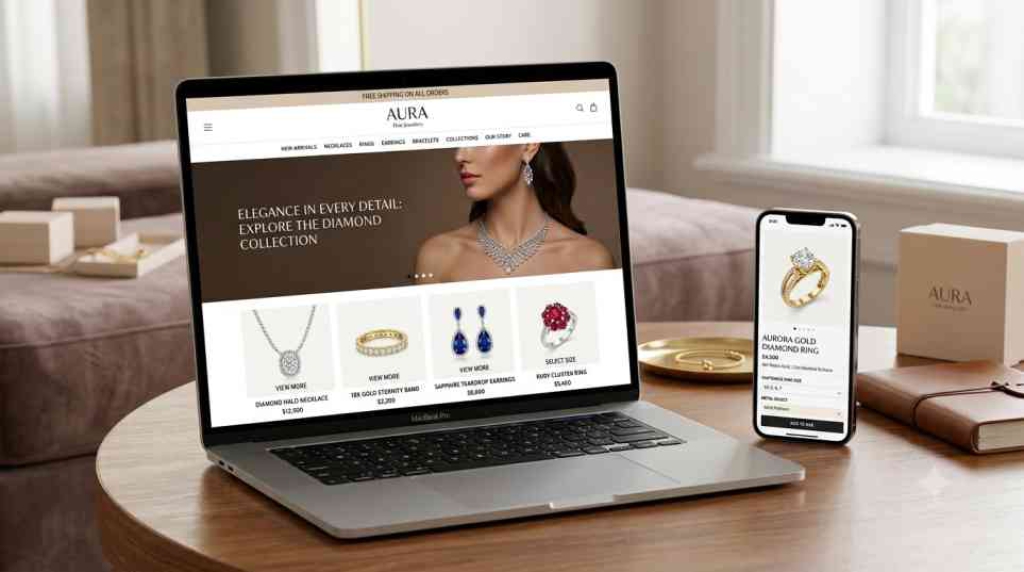
Buying jewellery online is different from buying clothes, books, or other everyday products. A jewellery buyer wants to know the quality, size, design, and value of a piece before placing an order. They may also want to check the source of a diamond, the type of metal, and the rules for returns or repairs.
This is why jewellery website development needs more care than standard eCommerce website development. A jewellery website must do more than display products and accept payments. It should help customers understand each piece, trust the brand, choose the right design, and feel safe when making a high-value purchase.
From detailed product images to easy customisation and helpful customer service, every part of the website plays an important role. Let's explore what makes jewellery websites different and how businesses can create a better online shopping experience.
1. Jewellery Buyers Need Proof Before They Buy
Jewellery can be expensive, so customers need clear information before spending their money. They cannot touch a ring, check a stone, or feel the weight of a necklace through a screen. Your website must answer their questions and help them make a confident choice.
Make Quality and Authenticity Easy to Check
Every jewellery product page should include the details customers need. These may include:
Metal type: Explain whether the piece is made from gold, silver, platinum, or another metal.
Stone details: Share information about the stone's cut, carat, colour, and clarity where relevant.
Hallmarks and certificates: Show available proof of metal quality and gemstone grading.
Care advice: Explain how customers can clean and store their jewellery.
Sourcing details: Share clear information about where materials come from when known and verified.
Use simple words to explain these details. Also, make your return, repair, and resizing policies easy to find. When buyers understand what they are purchasing, they can make better decisions.
Build Trust Around High-Value Purchases
Trust is one of the most important parts of selling jewellery online. Customers want to know that the business is real and that their money and personal details are safe.
Add verified customer reviews, secure payment options, visible contact details, and clear delivery information. You can also share buying guides written or checked by jewellery experts.
Jeff Bezos once said, "Your brand is what other people say about you when you're not in the room."
This idea is important for jewellery brands. Good service, honest product details, and positive customer experiences help build a strong reputation.
Learn From Leading Jewellery Brands
You can study well-known jewellery brands to understand how they present their products and build trust.
Brilliant Earth: Study how it presents diamond details and sourcing information.
Tiffany & Co.: Review its product images, product descriptions, and gift services.
The goal is not to copy these brands. Instead, choose trust features that match your products, prices, and target customers.
2. Product Pages Must Make Fine Details Feel Real
A jewellery product page needs to do more than show a name and price. It should help customers understand the look, feel, and main features of each piece.
Show Jewellery From Every Useful Angle
High-quality images can help customers feel more confident about buying jewellery online. Use clear photos that show the full product and its small details.
Include close-up images of stone cuts, ring settings, clasps, and other important features. Add zoom tools and short videos to show how the jewellery looks when it moves or catches the light.
It is also helpful to show rings on hands, necklaces on people, and earrings on ears. This gives shoppers a better idea of the product's actual size.
For better accessibility and search visibility, add useful image descriptions, also called alt text. For example, instead of writing "ring image," use "18-carat gold engagement ring with a round diamond."
Explain the Details That Shape the Buying Choice
Customers need accurate product information to compare jewellery pieces. Depending on the product, include:
Stone cut, carat, colour, and clarity.
Metal type, purity, and finish.
Ring size and product dimensions.
Chain length and stone setting.
Available certificates and care instructions.
Explain the difference between natural, lab-grown, and treated stones when relevant. Do not assume every customer already understands jewellery terms.
Also, set clear expectations. Explain that colours may look slightly different on different screens and that handmade pieces may have small variations. Honest descriptions can help reduce confusion and returns.
Make the Product Page Easy to Use on a Phone
Many shoppers browse jewellery websites on their phones. Your website should work smoothly on small screens.
Keep the price, product details, size options, and buy button easy to find. Make sure customers can zoom into images, open size guides, and select product options without difficulty.
Use compressed images to improve page speed while keeping important details clear. A slow or difficult website can cause shoppers to leave before they make a purchase.
3. Jewellery Customisation Needs More Than a Basic Product Menu
Many jewellery buyers want a piece that matches their style or marks a special moment. They may want to choose a diamond, change the metal, add engraving, or select a different chain length.
This makes jewellery website development more complex than building a basic online store.
Help Shoppers Build the Right Piece
A good website should allow customers to customise products with simple steps. Depending on your range, shoppers may be able to choose:
Stone type and shape.
Metal type and colour.
Ring setting or design.
Chain or bracelet length.
Engraving or a personal message.
Show the updated price as customers make their choices. If an option changes the delivery time, explain that too.
The website should also prevent customers from choosing combinations that cannot be made. This reduces order errors and saves time for both customers and the business.
Make Ring Sizing and Fit Less Risky
Choosing the correct ring size can be difficult when shopping online. A clear ring size guide can make the process easier.
You can offer a printable size guide, a ring sizing kit, or simple instructions for checking ring size at home. Explain which rings can be resized and which designs have limits.
For bracelets, necklaces, and earrings, include useful measurements and fit details. Clear sizing information helps customers choose the right product and may reduce returns.
Learn From Jewellery-Specific Shopping Tools
Look at Blue Nile's engagement ring builder to understand how a guided buying process can help shoppers select a diamond and ring design.
You can also consider virtual try-on tools or appointment booking for customers who need extra help. These features may be especially useful for engagement rings and customised jewellery.
Track which options customers use and where they stop during the process. Use this information to make the buying journey simpler.
4. Checkout and Aftercare Must Protect a High-Value Sale
Getting a customer to add jewellery to their cart is only one part of the process. The website must also make payment, delivery, and after-sales service simple and clear.
Remove Doubt Before Payment
Before paying, customers want to know when their order will arrive and how it will be delivered. This is especially important for expensive jewellery and gifts.
Your checkout page should clearly show:
Expected delivery dates.
Shipping costs and available insurance.
Signature requirements for valuable packages.
Discreet packaging options for gifts.
Taxes, customs duties, and extra charges.
Never hide important costs until the last step. Clear information helps customers feel more comfortable completing their orders.
Make Returns, Repairs, and Resizing Clear
Jewellery buyers may need help after receiving their products. A ring may need resizing, a necklace may need repair, or a customer may want to understand the warranty.
Explain your return period, return conditions, repair options, and resizing rules in simple English. Make sure customers can easily contact your team to request help.
You should also provide jewellery care instructions after purchase. Helpful after-sales service can build customer trust and encourage repeat orders.
Reduce Checkout Drop-Off
According to research from the Baymard Institute, the average online shopping cart abandonment rate is around 70%. This means many shoppers leave without completing their purchase.
To reduce this problem, offer guest checkout, popular payment methods, and clear security information. Keep the checkout process short and easy to follow.
Use website analytics to find out where customers leave. For example, they may stop when they see unexpected delivery costs or find the payment process confusing. Fixing these problems can help improve sales.
5. Mobile Design and Customer Service Shape the Whole Shopping Journey
A jewellery website needs to provide a smooth experience from the first visit to the final purchase. Good mobile design and helpful customer service make this easier.
Support Browsing Across Devices
Customers may start browsing on a phone and complete their purchase on a laptop. Your website should support this behaviour.
Make sure menus, product filters, and comparison tools work well on different screen sizes. Allow customers to save their favourite products and keep cart items available when they return, where technically possible.
You can also make it easy to book a store visit, video call, or personal shopping appointment. These services are useful for buyers who want expert advice before making a large purchase.
Offer Help When Buyers Need a Human Answer
Some questions need more than a product description. A customer may want to know whether a diamond suits their budget, whether a ring can be resized, or whether an order will arrive before a special date.
Offer live chat, email, phone support, or another clear way to contact your team. Display service hours and explain when customers can expect a reply.
Train your staff to give consistent and accurate advice across every channel. Helpful service can turn an uncertain shopper into a confident buyer.
Measure What Affects Sales and Trust
You cannot improve your website if you do not understand how customers use it. Track important activities, such as:
Product views and website searches.
Visits to ring size guides.
Use of customisation options.
Add-to-cart and checkout completion rates.
Returns and common customer questions.
If many customers ask about the same product detail, your description may need improvement. If shoppers leave during customisation, some options may be confusing.
Test website changes with real shoppers before making them available to everyone. Small improvements can make the shopping experience easier and more useful.
6. How Is Jewellery Website Development Different From Standard eCommerce Development?
Both types of websites need product pages, payment systems, mobile-friendly design, and secure checkout. However, jewellery stores often need extra features because their products can be expensive, personal, and difficult to judge online.
Here are the main differences:
These features help customers understand what they are buying. They also help jewellery businesses manage custom orders, answer questions, and provide better service.
Not every jewellery website needs every advanced feature from the start. The right choice depends on your products, budget, and customer needs.
Conclusion: Build a Jewellery Store Around Confidence, Not Just the Cart
Jewellery website development is different from standard eCommerce development because customers need more than a simple way to buy products. They need clear product details, proof of quality, useful images, customisation options, and support before and after the purchase.
A successful jewellery website should make every step easy to understand. Customers should be able to explore designs, compare options, check sizes, understand delivery rules, and contact your team without difficulty.
If you are planning a new jewellery website, start with your most valuable or popular product range. Focus on accurate product information, high-quality images, clear policies, and a smooth mobile experience. Then collect customer feedback, check website performance, and improve the features that cause confusion.
The goal is simple: build a jewellery website that helps customers feel informed, safe, and confident about every purchase.
Latest Posts
-
How to Choose Between a Website and a Mobile App
-
What Makes Jewellery Website Development Different From Other eCommerce Websites?
-
Jewelry Website Development in 2026: The Hidden Truth Most Agencies Won’t Tell You
-
Why Modern Businesses Need AI-Powered Web Development, ERP & Automation Services in 2026

-
What Is SEO? A Complete Beginner’s Guide to Search Engine Optimization