Best Ecommerce Website Features for Jewellery Businesses That Turn Browsers Into Buyers
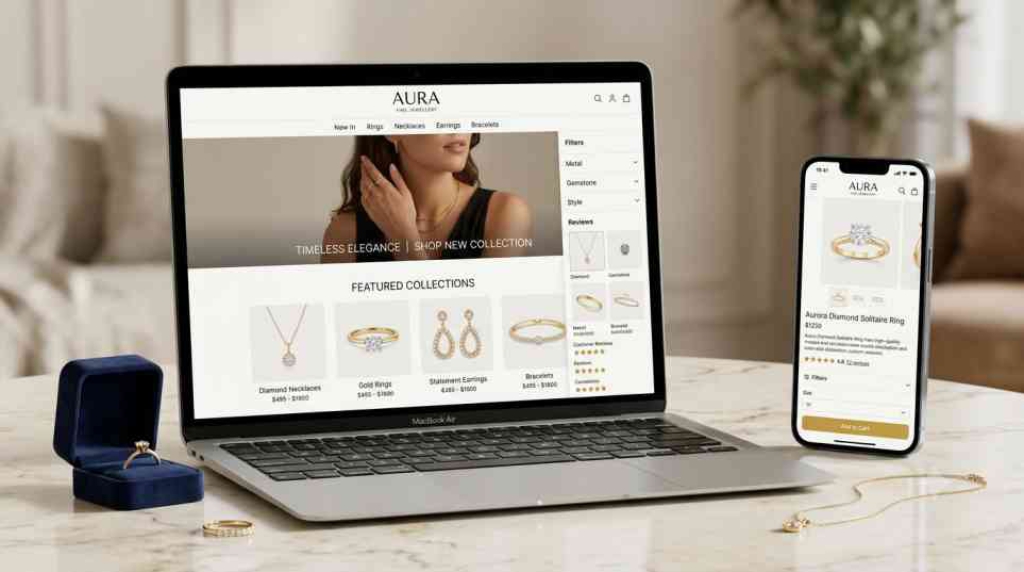
Choosing the right Ecommerce Web Development Company can help jewellery businesses build an online store that attracts visitors and turns them into buyers. Professional jewellery website development helps create a store that is easy to use, looks attractive, and builds customer trust.
But a beautiful website alone is not enough. Customers also need clear product details, easy shopping tools, safe payments, and reliable support.
Buying jewellery online can feel difficult. Shoppers cannot touch a ring, check a clasp, or see how a gemstone shines in real life. They need to trust what they see on the screen before spending their money.
This is why jewellery websites need more than polished product photos. They need useful features that answer customer questions and make shopping simple.
In this blog, we will explore the best ecommerce website features for jewellery businesses and how these features can improve the shopping experience, build trust, and increase sales.
1. Help Shoppers Find Pieces That Fit Their Style
A good jewellery website should make it easy for customers to find what they want. If shoppers cannot find the right product, they may leave without buying.
Make Browsing Simple on Every Screen
Start with clear menus for rings, necklaces, earrings, bracelets, and other jewellery types. Add useful filters for metal type, stone, price, occasion, and recipient.
For example, a customer looking for gold earrings should be able to filter products by gold color, style, and budget.
Keep the search bar easy to find. It should understand simple searches such as "small gold hoops" or "birthstone necklace."
Make sure browsing works smoothly on mobile phones, as many shoppers use their phones to explore products.
Use Guided Tools for High-Choice Purchases
Some jewellery purchases need more thought than others. A ring builder can help customers choose a setting, stone, and budget step by step.
Gift guides are also helpful. Create collections for birthdays, weddings, anniversaries, and festivals.
For example, Blue Nile offers ring-buying tools that guide customers through diamond and setting choices. Jewellery businesses can use a similar idea to make complex buying decisions easier.
Make Product Discovery Feel Personal
Show matching jewellery, related collections, and products based on what shoppers view.
Allow visitors to save their favorite items in a wish list. This helps them return later without searching again.
Keep recommendations useful. Too many suggestions can distract shoppers instead of helping them.
2. Show the Details That Make a Piece Feel Worth Buying
Jewellery buyers want to know exactly what they are paying for. Clear product information can help them feel more confident.
Use Rich Photos and Videos
Product images play a big role in online jewellery shopping. Use high-quality photos that show each item from different angles.
Include:
Front, side, and back views
Close-up shots of stones and settings
Images showing the jewellery on a person
Clear pictures of clasps, texture, and finish
Short videos can show how a necklace moves or how a ring catches the light.
Use a plain background for product photos so shoppers can focus on the design. Make sure images load quickly without losing important details.
Explain Materials, Fit, and Care in Plain Words
Use simple language to explain product details. Mention the metal type, gemstone details, weight, dimensions, and country of origin when known.
Do not use unclear claims about purity, quality, or stone origin.
Add helpful size information, such as ring measurements, chain length, bracelet fit, and earring-back type.
Also explain jewellery care, warranty terms, and repair options near the product description. Customers should not have to search through many pages to find these answers.
Build Trust With Proof and Expert Input
Customer reviews can help new shoppers understand product quality. Show verified reviews that mention fit, finish, comfort, and daily wear.
With permission, include real customer photos.
You can also add expert advice from a qualified gemologist or jewellery maker. For example, an expert can explain how to care for a gemstone or understand metal quality. Always confirm the quote and its source before publishing.
Website speed matters, too. Think with Google reported in a 2016 finding that 53% of mobile site visits were abandoned when pages took longer than three seconds to load. This is an older finding, not a current benchmark, but it shows why fast loading is important.
3. Make Checkout Clear, Safe, and Easy to Finish
Customers may add jewellery to their cart but leave before paying. A confusing checkout process can be one reason.
Baymard Institute reports an average cart abandonment rate of 70.19% across its tracked studies. This does not mean every abandoned cart comes from a poor checkout, but reducing unnecessary steps can help.
Keep the Buying Steps Short
Offer guest checkout so customers do not need to create an account.
Include trusted payment methods and express payment options where available. Show a clear progress indicator so shoppers know how many steps remain.
Keep the cart easy to edit on mobile. Customers should be able to change quantities, remove items, or review product details without starting again.
Show shipping charges, taxes, estimated delivery dates, and return terms before payment.
Answer Final Questions Before Payment
Jewellery buyers may have questions about delivery, insurance, resizing, engraving, and returns.
Make these details easy to find.
Explain how custom or made-to-order items affect delivery time and return options. If some products cannot be returned, clearly explain this before checkout.
Add a visible contact option for customers who need help with ring sizes, stones, or product choices.
Protect the Buyer's Information
Use trusted payment providers and display accepted payment methods.
Explain how customer information is collected and protected. Use appropriate security measures and follow the privacy and payment rules that apply to your business.
Avoid surprise charges, confusing pop-ups, or forced account creation. A clear checkout helps customers feel safer while paying.
4. Support the Full Jewellery Journey After the Sale
A jewellery business should not stop helping customers after receiving payment. Good after-sales service can build long-term customer relationships.
Make Custom Orders Easy to Track
Allow customers to personalize products where possible. They may want to choose engraving, metal type, gemstone, or chain length.
Show how each choice changes the final price and delivery time.
Send order updates from purchase to dispatch. For custom jewellery, explain the production steps and expected timeline.
Offer Care, Repair, and Resale Support
Jewellery often needs care over time. Create simple guides for cleaning and storing different metals and stones.
Explain your repair, resizing, cleaning, and warranty services. If available, let customers book a service online or register their purchase.
You can also explain any buyback or resale program your business offers. Share clear terms instead of making promises you cannot support.
Turn Happy Customers Into Repeat Buyers
Use wish lists, gift cards, and helpful reminders to encourage customers to return.
For example, customers may appreciate gift reminders for birthdays or anniversaries if they choose to receive them.
Recommend matching pieces when they fit the customer's interests. Ask for a review after delivery without pressuring buyers to leave positive feedback.
5. Keep the Site Fast, Accessible, and Easy to Improve
A useful jewellery website should work well for different customers and devices.
Design for Mobile and Inclusive Use
Use readable text, strong color contrast, and clear buttons. Add descriptive alt text to meaningful product images.
Make filters, size guides, menus, and payment options easy to use on small screens.
Support keyboard navigation and test important shopping steps with assistive tools and real users.
Businesses should also consider Ecommerce Web Development practices that support speed, usability, accessibility, and future growth.
Track Useful Measures
Use website analytics to understand how customers shop.
Track important measures such as:
Product page views
Search and filter usage
Add-to-cart rate
Checkout completion rate
Product returns
Sales by device and traffic source
These numbers can show where shoppers face problems and which pages need improvement.
Learn From Real Customer Behavior
Check which search terms return no results. Review common questions sent to customer support.
If shoppers often ask about ring sizes, improve the size guide. If many visitors leave a product page, consider adding better photos or clearer material details.
Test one change at a time, such as a new product image or clearer delivery information. This makes it easier to understand what works.
Start with the pages and checkout steps where the most shoppers leave.
6. Website or Mobile App: What Should Jewellery Businesses Choose?
Many jewellery businesses wonder whether they need a website, a mobile app, or both.
For most businesses starting online, a mobile-friendly ecommerce website is a practical first choice. Customers can open it through a browser without downloading anything.
A mobile app may be useful for brands with many repeat buyers, loyalty programs, or regular customer engagement. However, apps also need extra development, updates, and maintenance.
Before investing, compare your budget, customer habits, and business goals. Focus on making the shopping experience simple before adding more technology.
Build a Jewellery Shop That Earns Trust at Every Step
A successful jewellery website needs more than attractive designs. It needs simple product discovery, rich product details, easy checkout, reliable security, and helpful after-sales support.
Every feature should solve a real customer problem. Shoppers should be able to find the right piece, understand its value, and complete their purchase without confusion.
Start by finding the biggest gap in your current website. Improve that area first, measure the results, and keep learning from customer feedback.
The right ecommerce features can help jewellery businesses create a shopping experience where online buyers feel as informed and confident as they would in a well-run jewellery shop.
Frequently Asked Questions (FAQs)
1. What features should a jewellery ecommerce website have?
A jewellery ecommerce website should have clear product categories, smart search filters, high-quality photos, product videos, size guides, customer reviews, secure payments, and an easy checkout process. It should also offer delivery details and after-sales support.
2. Why is jewellery website development important for jewellery businesses?
Jewellery website development helps businesses create an online store where customers can explore products, compare designs, and shop with confidence. A well-designed website can improve user experience, build trust, and support business growth.
3. How can a jewellery website increase online sales?
A jewellery website can increase sales by showing clear product details, using high-quality images, offering easy navigation, providing safe payment options, and making checkout simple. Customer reviews and clear return policies can also help shoppers feel confident.
4. How can customers choose the right jewellery size online?
A jewellery website should provide clear size guides, measurement charts, and simple instructions. For rings, include a ring-size guide. For necklaces and bracelets, show length and fit details. You can also offer customer support for size-related questions.
5. Is a mobile-friendly website important for jewellery stores?
Yes, a mobile-friendly website helps customers browse products, check prices, save favorites, and place orders using their phones. It should have readable text, fast-loading images, easy filters, and simple payment steps.
Latest Posts
-
Best Ecommerce Website Features for Jewellery Businesses That Turn Browsers Into Buyers
-
Common Jewellery Website Development Mistakes to Avoid and How to Fix Them
-
How to Design Jewellery Category Pages That Help Shoppers Find the Right Piece
-
How to Build an Online Jewellery Store from Scratch with Jewellery Website Development Services
-
How to Choose Between a Website and a Mobile App